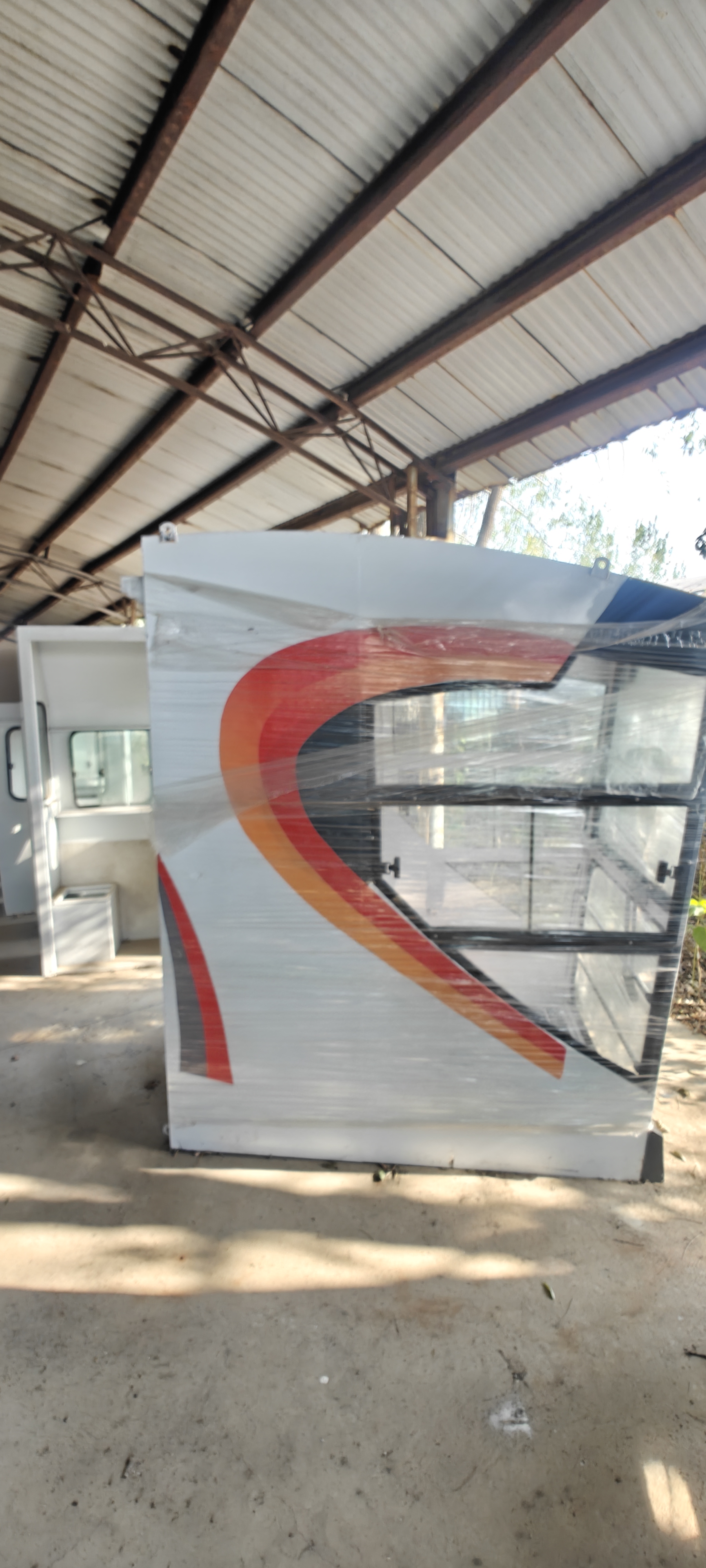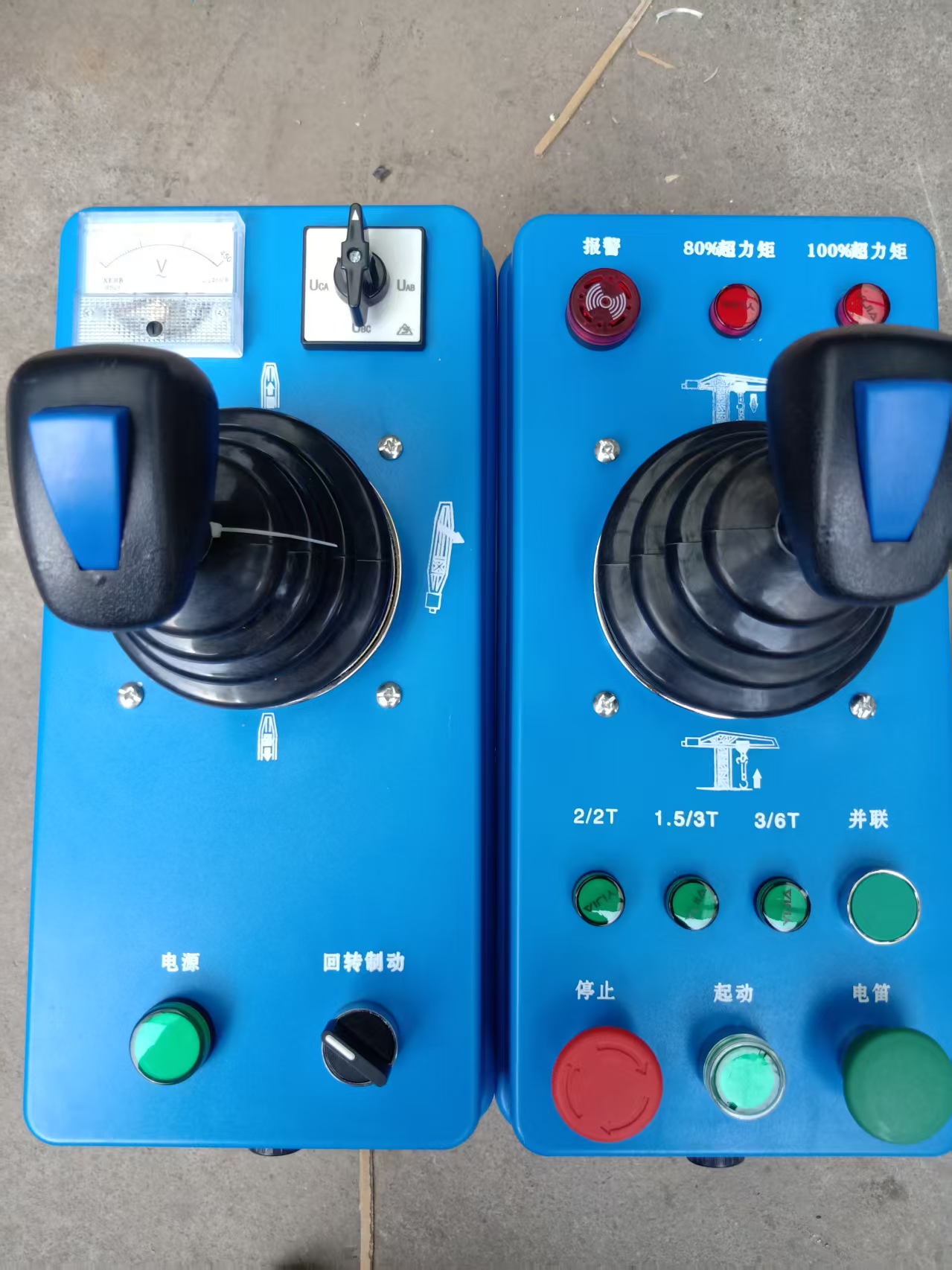
▌ APPLICATION NOTE · OCTOBER 2026 · OPERATOR CABIN Operator Cabin: Visibility, Comfort and Safety for Long Shifts A tower crane operator may spend most of a shift in one small room at the top of the mast. Everything the operator does — judging the load, watching the hook, reacting to a signalman, holding a load steady in wind — depends on being able to see and to stay comfortable enough to concentrate. The cabin is therefore a safety component, not a piece of trim. This note covers the cabin as a working environment: visibility and glazing, seating and controls, the attachment to the structure, weather protection and the checks that keep it fit for use. The crane maker’s manual gives the structural and electrical details; this note explains what the operator actually needs from the cabin.
01 VISIBILITY IS THE FIRST REQUIREMENT The cabin is positioned to give the operator a direct view of the hook, the load and the working area. Glazing on the working sides should be clear, free of cracks and properly sealed. A scratched or hazed pane, or a cracked one, turns a direct view into a guess and pushes the operator back towards radio instructions. Visibility also depends on the cabin’s position relative to the jib. Where the cabin is offset or the jib is long, some of the load’s travel may be outside the direct view. That is a reason to add hook visualization or a signalman, not a reason to accept a dirty window. ▌ CLEAR GLASS Clear, uncracked glazing keeps the hook and load in direct view. ▌ SEALED AND SECURE Seals keep water out and prevent panes from loosening. ▌ KNOW THE BLIND SPOTS Where the view is limited, use hook visualization or a signalman. 02 SEATING, CONTROLS AND ERGONOMICS The operator sits for long periods and reaches for the same controls thousands of times. A seat that adjusts, controls that fall naturally under the hand and a console that is readable without leaning all reduce fatigue. Fatigue is a safety issue because it shows up as slower reactions and poorer judgement. The cabin layout should place the load-moment display and, on monitored cranes, the safety-monitoring terminal within easy view without blocking the window. Controls should be arranged so that the emergency stop is always reachable. ▌ FATIGUE IS A RISK A comfortable seat and logical controls reduce operator fatigue. ▌ READABLE DISPLAYS The load-moment display and monitoring terminal should be visible without leaning. ▌ REACHABLE E-STOP The emergency stop must always be within reach. 03 ATTACHMENT AND STRUCTURE The cabin is bolted to the upper structure, and those fixings carry the cabin’s weight and the dynamic loads of slewing. Loose or corroded mounting bolts are a structural issue. The manual specifies the bolt size, grade and torque, and the attachment should be checked at the stated intervals. The cabin frame and floor should be checked for cracks and corrosion, especially where water collects. A cabin that has been damaged in transit or by a swinging load should be inspected before use, not simply put back into service. ▌ CHECK THE MOUNTINGS Cabin bolts carry weight and dynamic load and must be torqued to spec. ▌ INSPECT THE FRAME Cracks and corrosion often start where water collects. ▌ INSPECT AFTER IMPACT A cabin hit by a load should be inspected before reuse.
04 WEATHER AND THE SEASONS The cabin has to work in heat, cold, wind and rain. Insulation and, where fitted, air-conditioning keep the operator functional in summer; sealing and heating keep the controls usable in winter. Condensation on the inside of the glass is a visibility problem that is often overlooked. Seasonal checks matter. Before a hot season, the air-conditioning and ventilation should be tested; before a cold one, the heater, seals and door mechanism. A cabin that becomes unbearable pushes the operator to rush, and rushing is where mistakes happen. ▌ CONTROL THE CLIMATE Insulation and air-conditioning keep the operator effective in heat. ▌ SEAL AGAINST WEATHER Good seals keep rain and draughts out and reduce condensation. ▌ SERVICE BY SEASON Check cooling before summer and heating and seals before winter. 05 ROUTINE CHECKS A short cabin check belongs in the pre-shift routine: glass condition, door latch and interlock, seat and controls, displays, lighting and, where fitted, air-conditioning. Any defect should be recorded and fixed before the shift rather than carried through the day. The door and its interlock deserve particular attention, because the cabin is at height and the door is the operator’s access and protection. A door that does not latch properly is a fall risk, not an inconvenience. ▌ PRE-SHIFT CHECK Glass, door, seat, controls, displays and climate all belong in the routine. ▌ DOOR AND INTERLOCK A door that does not latch is a fall risk. ▌ RECORD AND FIX Defects should be recorded and resolved before the shift. PROCUREMENT IMPACT ● Order the cabin to the crane model and mounting arrangement. ● Specify glazing type, insulation and air-conditioning for the site climate. ● Confirm mounting bolt grade and torque values in the documentation. ● Include door seals, latches and interlock parts in the spares list. ● Ask for a cabin pre-shift checklist with the delivery. WHAT TO WATCH ● Watch cracked, hazed or poorly sealed glass. ● Watch mounting bolts, which carry dynamic loads during slewing. ● Watch condensation, which is a visibility problem in cold weather. ● Watch the door latch and interlock, which are fall-protection items. ● Watch fatigue; a poor seat and layout make every shift harder. ABOUT ZN Industrial (Shandong Zhinuo) designs and manufactures crane safety monitoring systems, positioning systems and mechanical auxiliary handling equipment for overseas construction, industrial and steel markets. Standards and regulations vary by market — local rules still govern your site. ▌ CONTACT shandongzhinuo@outlook.com +86 176 6371 0314 · en.znaqkj.com SOURCES · crane maker’s manual · ISO 12480-1 · local workplace safety rules |
Articles / crane
Operator Cabin: Visibility, Comfort and Safety for Long Shifts
The cabin is the operator’s workplace for an entire shift. This note covers visibility, glazing, seating, attachment and the checks that keep the cabin safe and usable through the seasons.