▌ APPLICATION NOTE · OCTOBER 2026 · PACKING AND SHIPPING Export Packing and Shipping of Crane Accessories: Protecting Steel on the Way A tower crane accessory that arrives damaged or corroded is worse than one that arrives late. The part has already cost the price, the freight and the waiting, and now it needs rework or replacement before it can be used. Export packing is the part of the supply chain that decides whether the steel reaches the site in the condition it left the factory. This note covers export packing and shipping of crane accessories: protecting against corrosion and impact, marking and documentation, container loading and the checks to make on arrival. The packing specification should match the journey and the destination climate; this note explains what that means in practice.
01 PROTECTING AGAINST CORROSION Sea freight exposes steel to humid, salty air for weeks. Bare or poorly protected surfaces will show corrosion before the container is opened. Parts should be coated, wrapped and, where appropriate, protected with vapour-phase corrosion inhibitor or desiccant, depending on the packing method and the journey. Hollow sections and machined surfaces are the most vulnerable. Machined faces such as flange faces and thread should be coated with a protective grease and covered, and hollow members should be drained and sealed so they do not hold condensation. ▌ SEA AIR CORRODES Humid, salty air attacks steel over a long voyage. ▌ PROTECT MACHINED FACES Coat threads and flange faces and cover them. ▌ SEAL HOLLOW SECTIONS Drain and seal hollow members against condensation. 02 PROTECTING AGAINST IMPACT Heavy steel parts move inside a container if they are not restrained. Sections should be blocked and braced so they cannot slide or fall against each other, and contact points should be protected with timber or padding. Lifting eyes and pins should be protected from knocks. Packing should also consider handling. A crate that can only be lifted from one side, or a bundle with no lifting points, invites damage during loading and unloading. Clear lifting marks and balanced packing reduce that risk. ▌ BLOCK AND BRACE Restrain heavy parts so they cannot move in transit. ▌ PAD CONTACT POINTS Protect surfaces where parts touch or rest. ▌ PLAN THE LIFT Provide lifting points and balance the pack for handling. 03 MARKING AND DOCUMENTATION Every package should be marked with the part description, quantity, weight, dimensions and any handling symbols. Where several parts belong to one crane, the marking should make the grouping clear. A package that cannot be identified on arrival delays the whole delivery. Documentation should travel with the goods: packing list, certificates and any inspection reports. Where the buyer needs material certificates or test reports, those should be in the shipment and referenced in the packing list, not sent separately after the container has sailed. ▌ CLEAR MARKING Description, quantity, weight and handling symbols on every package. ▌ GROUP BY CRANE Make it obvious which parts belong to the same machine. ▌ DOCUMENTS IN THE SHIPMENT Packing list, certificates and reports travel with the goods.
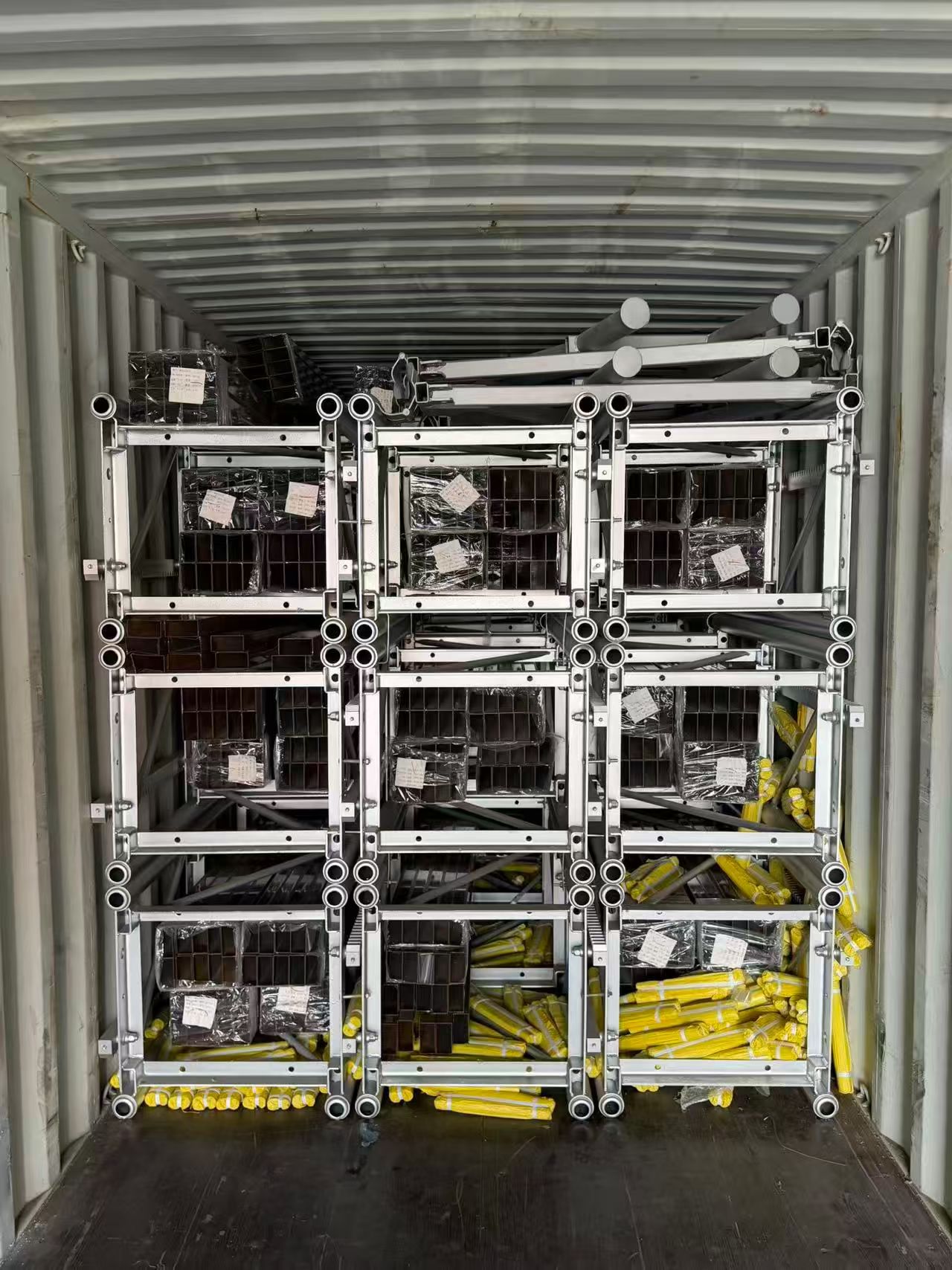
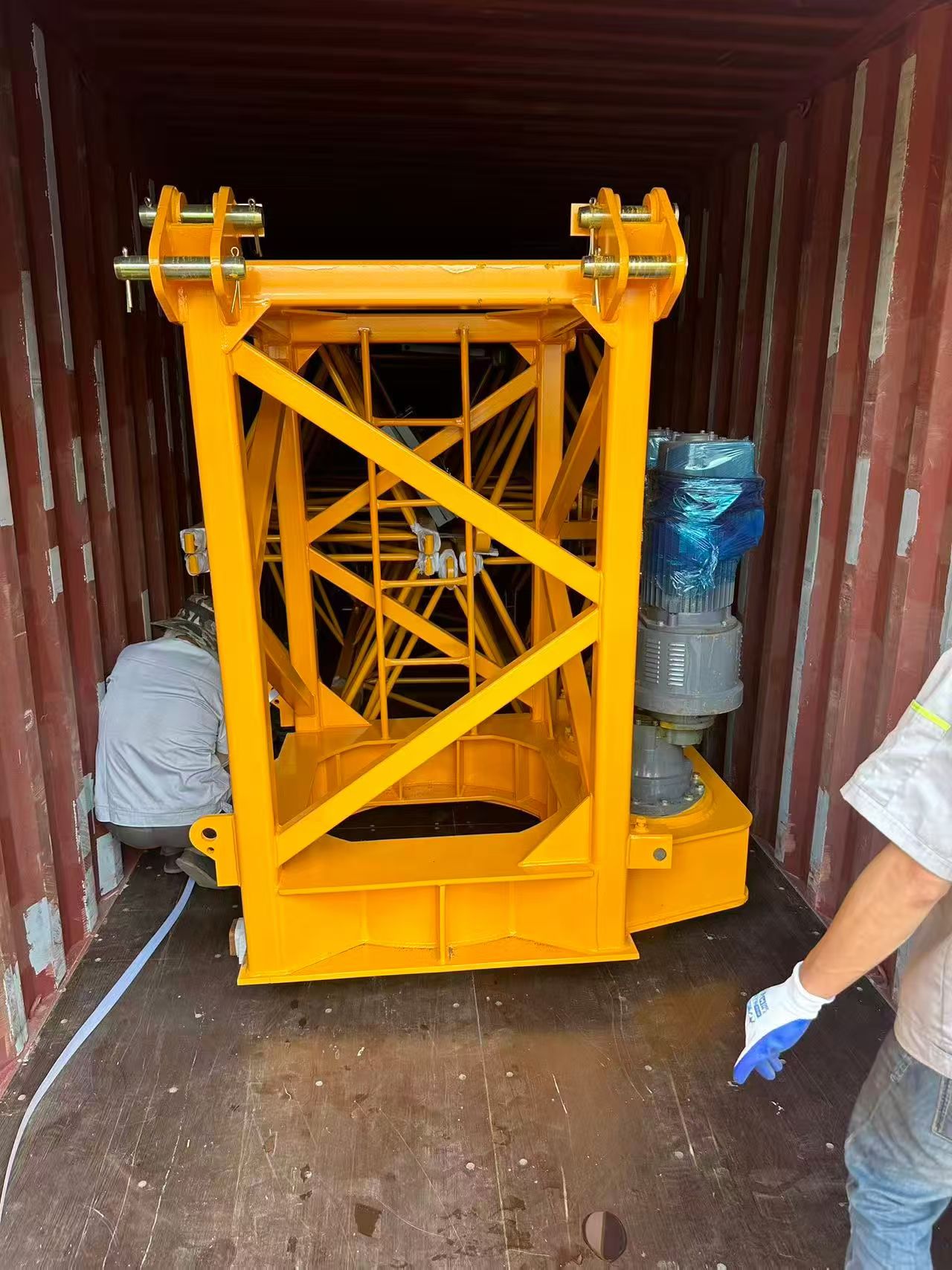
04 CONTAINER LOADING Container loading is a packing decision as much as a logistics one. Heavy items go low and are restrained; lighter and sensitive items go on top. Timber dunnage separates layers and spreads load. The load should be checked before the doors close, because a problem found at the port is far more expensive than one found in the yard. Photographs of the packed and loaded container are a simple and useful record. They show how the goods were packed and make any later dispute about transit damage much easier to resolve. ▌ HEAVY LOW, LIGHT HIGH Load heavy parts at the bottom and restrain them. ▌ USE DUNNAGE Timber separation protects surfaces and spreads load. ▌ PHOTOGRAPH THE LOAD A photo record helps resolve transit damage claims. 05 CHECKS ON ARRIVAL On arrival, check the packages against the packing list before unloading, and inspect for external damage. Open the packages and check the parts for corrosion, impact damage and completeness. Protective coatings should be removed only when the part is ready to be fitted. Any damage should be recorded with photographs before the parts are moved or repaired. A record made at the moment of arrival is the basis for a claim and for deciding whether the part can be used. ▌ CHECK AGAINST THE LIST Verify the packages before unloading. ▌ INSPECT THE PARTS Look for corrosion, impact damage and missing items. ▌ RECORD BEFORE MOVING Photograph damage before anything is moved or repaired. PROCUREMENT IMPACT ● Specify the packing method and corrosion protection for the destination climate. ● Require machined faces and threads to be coated and covered. ● Ask for lifting points and balanced packing on heavy items. ● Require packing list, certificates and inspection reports in the shipment. ● Ask for photographs of the packed and loaded container. WHAT TO WATCH ● Watch unprotected machined faces, which corrode first. ● Watch hollow sections that can hold condensation. ● Watch unbraced heavy parts that move inside the container. ● Watch marking, because an unmarked package delays the whole delivery. ● Watch arrival checks; record damage before moving anything. ABOUT ZN Industrial (Shandong Zhinuo) designs and manufactures crane safety monitoring systems, positioning systems and mechanical auxiliary handling equipment for overseas construction, industrial and steel markets. Standards and regulations vary by market — local rules still govern your site. ▌ CONTACT shandongzhinuo@outlook.com +86 176 6371 0314 · en.znaqkj.com SOURCES · export packing standards · sea freight practice · supplier packing specification |
Articles / crane
Export Packing and Shipping of Crane Accessories: Protecting Steel on the Way
Crane accessories often travel thousands of kilometres before they are fitted. This note covers export packing, protection from corrosion and impact, documentation and the checks on arrival.